


ReviewMarch 22, 2026
Overcoming Stammering: Dr. Parth Bansal’s Journey to Confident Speech and Fluency
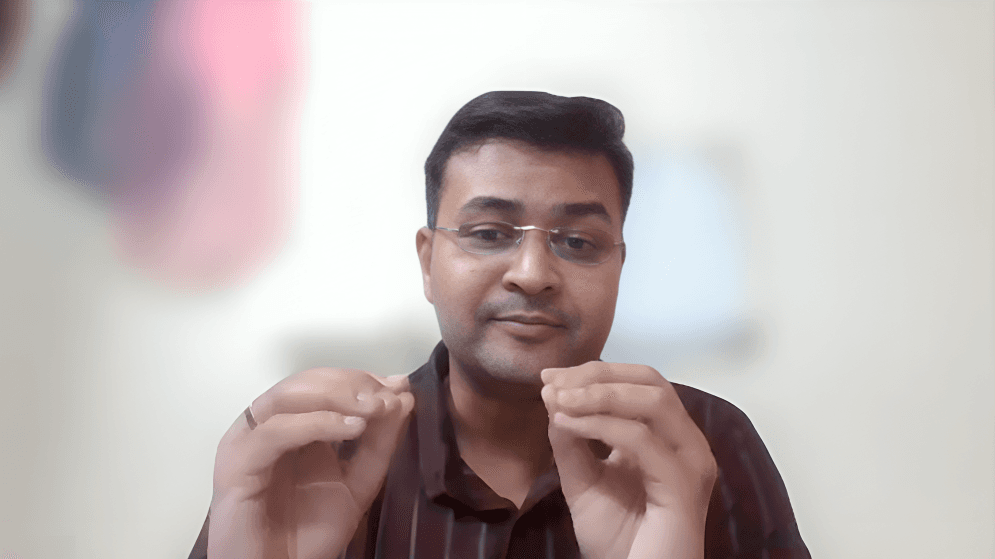
Stammering can feel isolating, frustrating, and sometimes insurmountable. Yet, with the right guidance, mindset, and consistent practice, it is possible to regain confidence and fluency. Dr. Parth Bansal, a neurologist, shares his personal journey of overcoming stammering through the mentorship of Coach Lee and the StopStutter program. His story is not just about improving speech—it’s about transforming identity, embracing neuroplasticity, and unlocking one’s true potential.
From Struggles to Silence
Dr. Bansal’s journey with stammering began in his early teens. Despite excelling in academics, sports, and music, he gradually withdrew from public speaking and extracurricular activities due to mockery and fear of judgment. In school, his confidence was limited to home and close circles, while public interactions became anxiety-inducing.
Even as a medical student and young professional, stammering affected his ability to communicate, whether interacting with peers, patients, or even approaching someone he liked. Early attempts—including meditation and sporadic speech therapy—brought only marginal improvement.
Discovering the Right Guidance
In April 2024, a simple Google search led Dr. Bansal to WSSA and Coach Lee. Skeptical at first, he reached out for help and was amazed when Coach Lee personally guided him, free of cost. Dr. Bansal describes the experience as “magical,” noting that consistent sessions, email reminders, and practical techniques helped him gradually regain control over his speech.
Key Techniques That Made a Difference
1. Affirmations & Auto-Suggestions
One of the most transformative tools for Dr. Bansal was practicing daily affirmations. These positive statements reshaped his mindset, built confidence, and reinforced a belief in his ability to speak fluently. As he puts it:
“I practiced affirmations, and it was really a life-changing process.”
2. Crutch 1: Skip the First Sound
Dr. Bansal learned to use specific “crutches” when stuck mid-sentence. One such method is skipping the first sound of a word, which reduces pressure and enables smoother speech.
“He taught me how to use crutches… where I get stuck or I felt that I will get stuck.”
3. Fluency Mindset & Identity
Perhaps the most profound change was a shift in mindset. By believing that stammering can be improved, Dr. Bansal transformed his self-identity and overcame the stigma associated with speech disorders.
“Do not get demoralized… it surely can be.”
4. Consistent Practice
Regular practice, including online speech therapy sessions and public speaking, reinforced new skills and built fluency. Dr. Bansal now confidently conducts lectures, OPD and IPD rounds, and interacts effectively with patients and colleagues.
5. Handling Setbacks
Acknowledging that progress is gradual, he emphasizes persistence. Neuroplasticity—the brain’s ability to reorganize and rewire itself—plays a key role in long-term improvement.
“All this hard work will pay off slowly and gradually.”
Life After Overcoming Stammering
Dr. Bansal’s efforts led to remarkable personal and professional growth:
- Conducting lectures and patient rounds with confidence
- Improved interactions with patients and relatives
- Engaging in public speaking events
- Co-authoring a book on stammering
He credits his success to a combination of techniques, including affirmations, crutches, ESP (LESS-LINK-STOP), and consistent practice.
Advice for People Who Stammer
Dr. Bansal encourages anyone struggling with stammering to seek guidance, remain persistent, and believe in their potential. Using the right tools and mindset, speech fluency is achievable.
“People who stammer have every right to express themselves. And believe me, we do better than others. The world was never against you—you just need the right tools and belief.”
Dr. Bansal’s story is a testament to the power of perseverance, neuroplasticity, and a supportive mentor. With the right guidance and mindset, stammering is not a limitation—it’s a challenge that can be overcome.
Ready to Put This Into Practice?
Download the app and start practicing today
Reading is the first step. Real progress comes from consistent daily practice. Use StopStutter to build confidence and improve your speech every day.


