


ReviewSeptember 16, 2026
2 Year Old Not Talking But Babbling
If your 2 year old not talking but babbling is worrying you at bedtime and again over morning coffee, take a slow breath first. A toddler who is chatty in their own bubbly, made-up language but hasn't started using clear words yet is not automatically a sign that something is wrong. Every child follows their own pace, and speech is one of those areas where the gap between two toddlers of the same age can look surprisingly big. That said, staying observant matters. Many families quietly wonder if what they are seeing is normal or a small hint that a little extra support could help. Understanding what is happening inside your child's mouth, ears, and brain during these early years is a helpful, honest first step. And knowing when to seek gentle guidance, without panic, can make a real difference for your family. If you want a warm, informed starting point, the caring team at Stop Stutter has walked this road with many parents just like you to overcome stuttering.
What Does It Mean When a 2 Year Old Babbling But Not Talking?
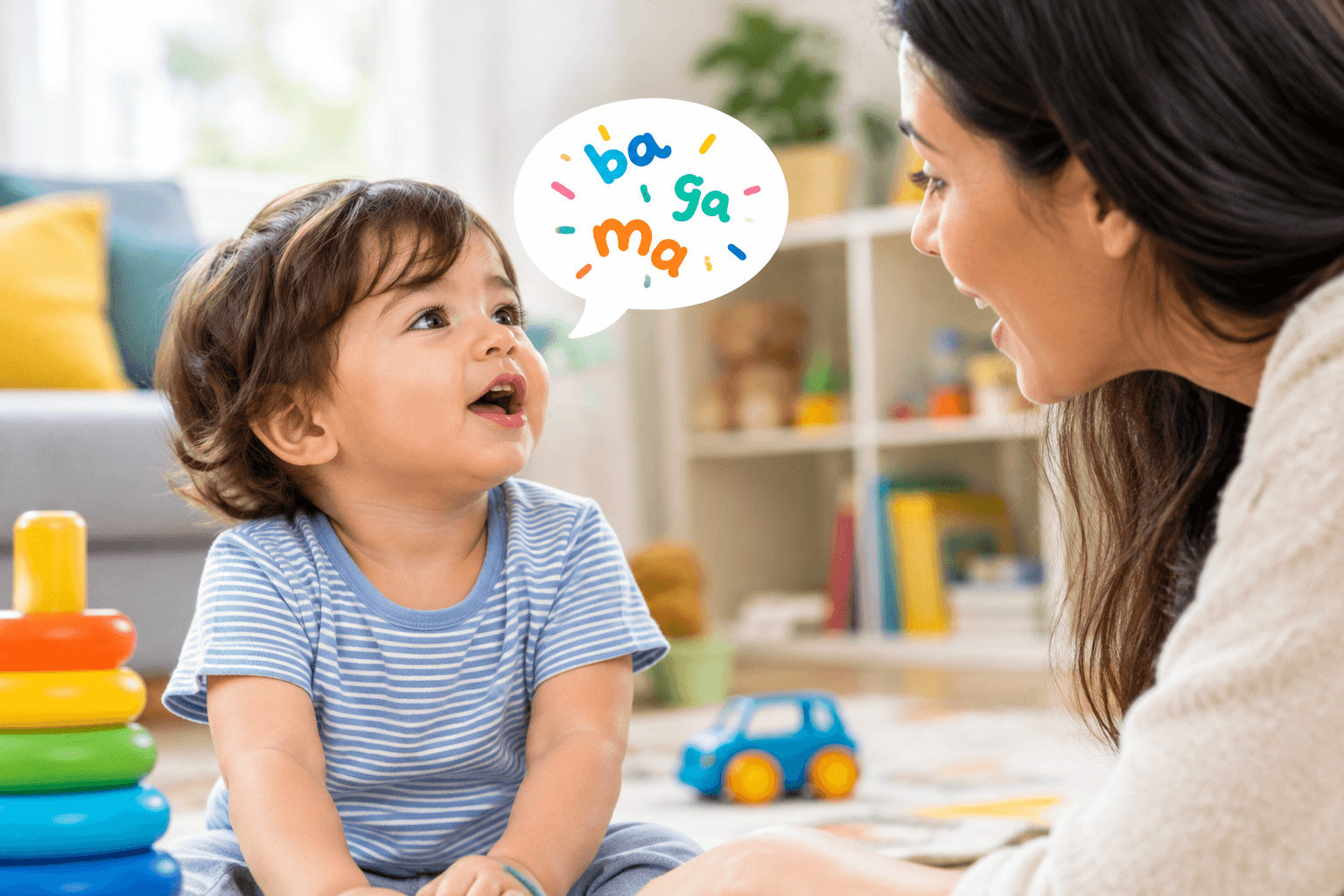
A 2 year old babbling but not talking is a very common concern parents bring up with speech professionals. Babbling itself is actually a healthy building block. Your child is practising sounds, learning rhythm, and figuring out how their tongue, lips, and breath work together. By around 24 months, most toddlers use somewhere between 20 and 50 recognisable words, even if the pronunciation is far from perfect.
Typical Speech Milestones at Age Two
Not every child hits every marker at the same time, but these give a useful reference:
Uses simple two-word phrases like "more milk" or "daddy go"
Points to familiar objects when you name them
Follows short, single-step instructions
Imitates words they hear from adults or older siblings
Responds to their own name most of the time
If your toddler is doing most of these but not stringing clear words together, they may simply be a late talker. If several are missing, though, it is worth taking a closer look and asking questions early.
Common Reasons Behind a 2-Year-Old Not Talking But Babbling
A 2-year-old not talking but babbling can happen for a mix of reasons, and most of them respond really well when caught early. Parents sometimes feel alone in this stage, but experienced coaches, including those behind online stuttering therapy at StopStutter, remind families that early speech patterns rarely have just one cause. It is usually a small combination of factors quietly shaping how your child communicates.
Hearing Issues That Are Easy to Miss
Ear infections, fluid buildup, or mild hearing loss can slow speech growth. If your child cannot clearly hear the sounds around them, it becomes much harder to copy them and turn babble into words.
A Quieter Language Environment at Home
Long screen time, busy households, and less back-and-forth chatting can all reduce the speech input a toddler needs. Babies learn language best through face-to-face interaction, not passive listening from a tablet.
Motor Coordination and Mouth Muscles
Some children understand everything you say but struggle to coordinate the muscles needed to shape actual words. This is where working with people who truly understand speech and fluency becomes so useful. If you want a deeper look, this piece on early signs of stuttering in toddlers is a helpful read.
When Babbling Starts Turning Into Early Stuttering Signs
Once your child begins moving from babble to real words, small bumps sometimes appear. You might notice repeated sounds like "b-b-ball," blocks where no sound comes out, or moments where they seem to strain to finish a word. In many toddlers, this is a passing phase. In others, it lingers longer and needs support.
Parents should watch for the following:
Repetitions of whole words or sounds several times in a row, especially at the start of a sentence
Visible tension in the face, jaw, or body while your child is trying to speak
Signs of frustration, or your toddler avoiding certain words they used to enjoy
Long, unusual pauses in the middle of very simple sentences
Catching these signs early gives you options and takes the guesswork out of it.
How to Support a 2 Year Old Not Talking But Babbling at Home
Home is where speech grows fastest. You don't need fancy tools or expensive apps. What your child truly needs is you, present and patient. Here are gentle, practical things you can do every day, without turning play into pressure:
Sit at eye level when you talk, so your face and mouth are visible. Toddlers read your lips much more than we realise, and that visual cue helps them try new sounds themselves in a safe, calm way. Even a few minutes at their level can shift their attention beautifully.
Narrate your day out loud. Describe what you are doing while cooking, folding clothes, or walking to the park. Simple sentences work best, and gently repeating key words helps your toddler slowly link sound to meaning.
Read the same picture books over and over. Pause on familiar pages and let your child fill in a word, a sound, or even just a happy babble. That repetition builds confidence and predictable speech patterns.
Reduce background noise during play. Turn off the TV, keep phones aside, and let your child hear your voice clearly for short stretches each day. Quiet, focused moments matter far more than long distracted ones.
Celebrate every attempt, not just correct words. If your child says "ba" while pointing at a ball, respond warmly with "Yes, ball!" and hand it over. That small loop of speech and reward is powerful and shapes new habits gently.
For more day-to-day ideas, this article on speech games parents can play with toddlers is worth bookmarking.
Warning Signs You Should Not Brush Aside
Most late talkers catch up beautifully. Still, there are a few situations where reaching out for a professional opinion sooner is a smart, loving move.
Signs Worth Acting On Quickly
Very little eye contact during your child's speech attempts
No response to their name by age two
Loss of words or babbling sounds they once used
No pointing, waving, or other basic gestures during play
Very limited understanding of everyday instructions like "give me the cup"
If any of these ring a bell, please do not sit with it silently. Specialists trained in fluency work can guide you through what to observe next and what to try at home. This article on when to see a speech expert for your child explains the process clearly and without any scary language.
How the Neuroscience Method Explains Early Speech Concerns
For families worried about longer-term speech patterns, especially early stuttering, StopStutter takes a refreshingly different approach from traditional speech therapy. Their neuroscience stuttering was built by people who once stuttered themselves and now guide others toward real fluency. Instead of telling parents that speech difficulties are simply something to manage forever, this method looks at how the brain forms speech habits and how gentle, consistent practice can build new pathways in your child's mind. It is calm, patient, and grounded in years of real fluency stories from families across the world. Coaches work directly with parents so you can support your toddler at home with tools that feel natural, warm, and simple. For young children, the focus is on giving parents easy techniques to model good speech, without pressure, without fear, and without labels. This approach has helped hundreds of families feel less alone, and far more hopeful, about their child's speech journey.
Frequently Asked Questions
Is it normal for a 2 year old to babble but not say real words?
It can be, especially in late talkers. Many toddlers babble first and then suddenly begin using words in short bursts. However, if your child has very few real words by 24 months, a quick speech evaluation is a smart, low-pressure step to take.
Does babbling mean my child will eventually talk?
Babbling is a positive sign because it shows your child is practising the sounds needed for speech. That said, babbling alone does not guarantee smooth development, so keeping an eye on other milestones like eye contact and pointing is important.
Can too much screen time cause speech delay?
Yes, it can play a role. Screens are one-way input. Toddlers learn language through back-and-forth interaction, so cutting screen time and adding more face-to-face talk usually helps.
When should I be worried about my 2 year old not talking but babbling?
If your child shows no interest in copying words, uses fewer than 20 clear sound attempts, or loses words they once had, speak to a speech professional. Early support usually leads to the best outcomes.
How can StopStutter help my toddler?
StopStutter guides parents through simple, science-backed techniques you can use at home. Their coaches, most of whom are former stutterers themselves, share tools that make speech feel safe, joyful, and doable for young children.
Helping Your Child Find Their Voice with Confidence
A 2 year old not talking but babbling is often the beginning of a beautiful speech story, not the end of it. Your patience today shapes their fluency tomorrow. Watch for the signs, keep your conversations warm and frequent, and lean on trusted experts when your gut tells you something is off. If you would like a caring, no-pressure conversation with someone who has helped many parents in your exact situation, StopStutter offers a free consultation where you can share your child's speech patterns and leave with a clear, personalised plan. You are not alone in this, and reaching out for gentle guidance is one of the strongest, kindest steps you can take for your little one.
Ready to Put This Into Practice?
Download the app and start practicing today
Reading is the first step. Real progress comes from consistent daily practice. Use StopStutter to build confidence and improve your speech every day.


