


ReviewSeptember 22, 2026
What Causes Social Anxiety
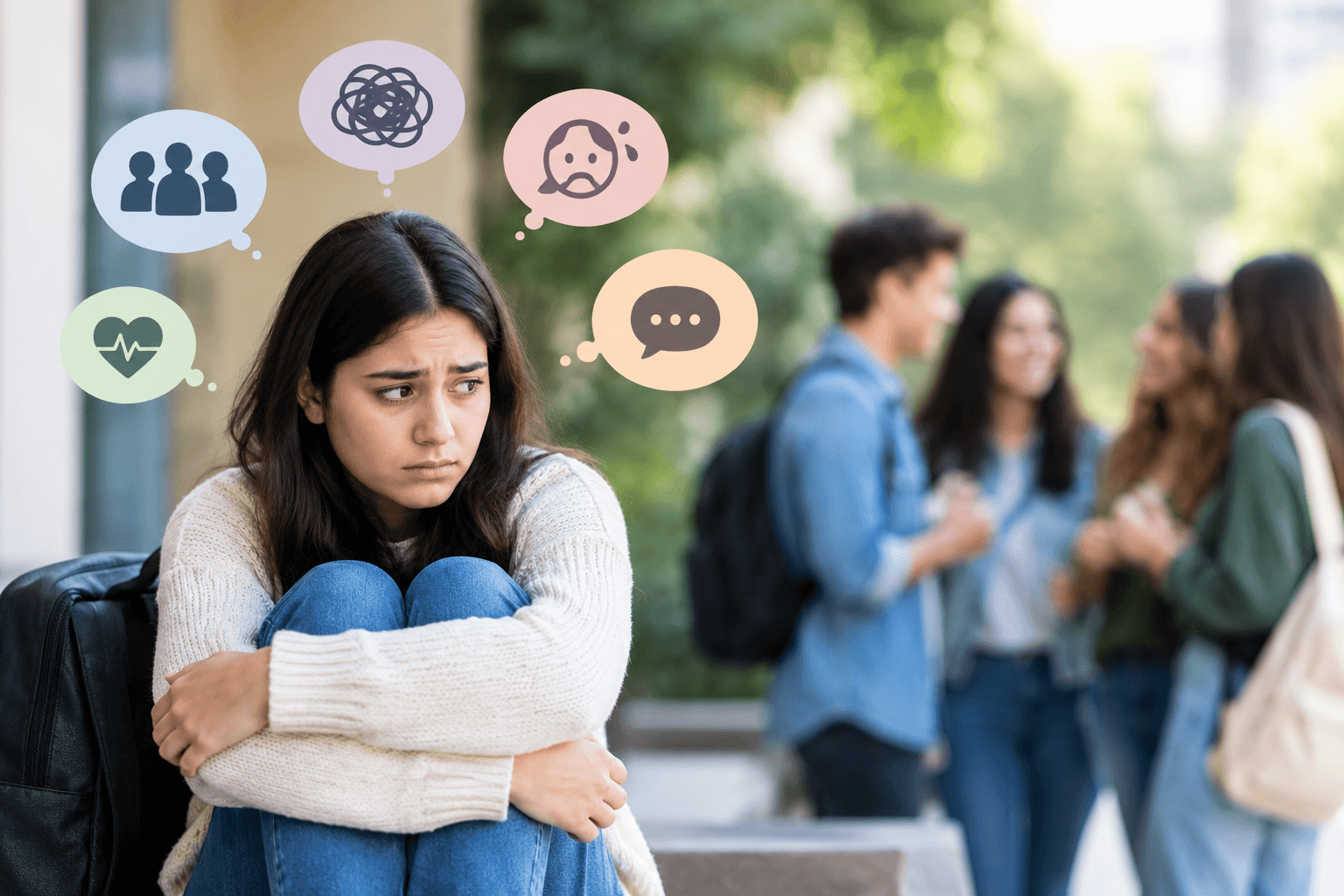
What causes social anxiety? Honestly, it's almost never just one thing. It's usually a tangle of genetics, brain wiring, how you were raised, and a few moments from your past that your brain decided were worth holding onto. For some people, that shows up as sweaty palms before a work meeting. For others, especially people who stutter, it's something heavier. Every time you open your mouth, there's a part of your brain bracing for a stutter to slip out and for someone to notice. Figuring out where that fear actually comes from is the first real step to loosening its grip, and that's a big part of what we focus on when we talk about how to stop stuttering at the root instead of just papering over the symptoms.
Here's something a lot of people don't realize until they've lived it: social anxiety and speech-related fear tend to show up together. It's not always about being scared of people in general. Sometimes it's much narrower than that. It's the fear of the exact moment a word might get stuck, and that fear, if you let it sit long enough, starts eating into other things. Phone calls get avoided. Group projects feel dreadful. Eventually even casual conversations start to feel like a performance you didn't ask to be part of.
That overlap is exactly why so many people end up looking into online stuttering therapy at the same time they're trying to manage anxiety. And it makes sense, because when you treat both at once instead of picking one, things tend to move a lot faster. You're not fighting two separate fires that keep feeding each other. Once the pressure around speaking eases up even a little, a surprising amount of the "permanent" social anxiety starts to soften with it.
What Causes Social Anxiety? Understanding the Core Reasons
If you zoom out, social anxiety comes down to a mix of biology and lived experience. There's no single switch that flips it on, which is exactly why two people can look almost identical on the outside and have completely different stories underneath.
What Is Social Anxiety Caused By (Biological Factors)
An amygdala that's a little too eager. This is the brain's alarm system, and in some people it treats a normal social moment, like walking into a room full of strangers, the same way it would treat actual danger.
A family history of anxiety, which points to a genetic thread running through some households, even if nobody ever talked about it.
A stress response that runs hotter than average, so the body reacts faster and harder to even mild signs of judgment.
What Is the Cause of Social Anxiety Disorder (Environmental Factors)
Being raised by caregivers who were harsh or overly controlling, where mistakes weren't really allowed.
Getting teased or excluded growing up, especially around how you talked, looked, or performed in front of others.
One bad, humiliating moment in public that your brain quietly filed away as proof that social situations aren't safe.
Not getting much practice socializing early on, which can make normal interaction feel foreign and a little threatening later.
What Causes Social Anxiety Disorder in Everyday Situations
Past the big root causes, there are specific everyday moments that reliably set anxiety off. Public speaking gets all the attention, but it's really just one item on a longer list.
What Are the Main Causes of Social Anxiety in Social Settings
Meeting someone new, where the fear of saying the wrong thing kicks in before the conversation has even started.
Speaking up in a meeting or classroom, where every sentence feels like it's being graded.
Eating or writing while people are watching, which isn't really about words at all, just about being observed.
Any situation tied to a speech difficulty, like stuttering, where the anxiety attaches directly to the act of talking rather than to what's being said.
If you stutter, something as small as a round-table introduction can feel as heavy as a formal presentation. A lot of the time, the dread of a possible block hits harder than the block itself ever would. That anticipation is doing most of the damage.
What Can Social Anxiety Cause (Effects and Long-Term Impact)
If nothing changes, social anxiety doesn't stay tucked away in a few awkward moments. It has a way of leaking into pretty much everything.
Avoidance that quietly shrinks your world, from skipping events to turning down opportunities that involve talking in front of people.
Relationships that feel strained, since dodging calls or hard conversations can come across as not caring, even when the opposite is true.
Setbacks at school or work, especially in roles that call for presentations, client calls, or working closely with a group.
Physical stuff too, like a pounding heart, nausea, or a tight chest before and during social situations.
A cycle that keeps reinforcing itself, because avoiding something calms you down for a moment but confirms to your brain that avoidance was the right call.
What Causes Extreme or Severe Social Anxiety
Severe cases usually build up over years, often starting way back in childhood. Every time avoidance seems to "work," the brain treats it as more proof that social situations are genuinely dangerous, and the fear grows a little stronger each time. Add stuttering into that mix, and things can escalate fast, since speaking becomes both the source of the fear and the thing being avoided.
The Link Between Stuttering and Social Anxiety
There's a well-documented connection between stuttering and social anxiety, and it's one a lot of people feel long before they ever read about it. Stuttering doesn't automatically cause anxiety in everyone, but the fear of being judged for how you speak absolutely can. Plenty of people who stutter describe rehearsing entire sentences in their head before saying a word out loud, swapping out words they're scared will trip them up, or just staying quiet altogether because it feels safer.
The good news is this cycle isn't set in stone. Our breakdown of the top stuttering therapy techniques that actually work covers real, practical tools that ease both the stutter and the anxiety wrapped around it. And if someone close to you stutters, family support matters more than most people realize. We wrote about how to support a partner who stutters, with simple ways to take pressure off instead of adding to it without meaning to. Parents watching this unfold early on should take a look at our piece on stuttering in a 2-year-old, which explains what's normal developmental disfluency and what's worth keeping an eye on, since catching it early can prevent a lot of the social anxiety that builds up after years of unaddressed stuttering.
What Is the Root Cause of Social Anxiety
Strip away all the individual triggers, and the root cause of social anxiety usually comes down to prediction. Your brain has learned, through repetition, to expect a bad outcome from social exposure, so it keeps bracing for that outcome even when the real risk is small or nonexistent. That's a learned pattern, not something baked into who you are, and learned patterns can be unlearned.
This is where the neuroscience method actually earns its name. Rather than just teaching you to manage the anxiety symptom by symptom, it works on retraining how your brain automatically responds to speaking and social interaction, swapping the old fear-based reflex for a calmer one. It leans on neuroplasticity, which is just a science-y way of saying the brain can build new pathways with consistent practice. That means the anxiety wrapped around speaking doesn't have to be something you live with forever.
Frequently Asked Questions
What is social anxiety caused by?
A mix of genetics, brain chemistry, and life experience, particularly the kind involving criticism, embarrassment, or feeling left out.
What is social anxiety caused from?
It usually grows out of repeated negative social experiences combined with a naturally sensitive stress response, which together teach the brain to treat social situations like a threat.
What are the causes of social anxiety disorder?
A family history of anxiety, an overactive threat response, tough childhood experiences, and avoidance habits that quietly reinforce the fear over time.
What is social anxiety and what causes it?
It's an intense fear of being judged or embarrassed in social situations, driven by a combination of biological sensitivity and learned experience.
What is social anxiety disorder caused by?
The same overlapping factors as general social anxiety, just at a level that's persistent enough to get in the way of daily life.
What is the root cause of social anxiety?
At the core, it's your brain predicting a bad outcome from social exposure based on past experience, a pattern that can genuinely be retrained.
Overcoming Social Anxiety and Finding Your Confident Voice
What causes social anxiety looks a little different for everyone, but the way forward tends to follow the same basic shape: figure out the actual trigger, deal with any underlying speech pattern like stuttering if that's part of the picture, and slowly retrain how your brain reacts to social exposure. None of that comes from just avoiding what scares you, and honestly, it rarely comes from gritting your teeth and pushing through either. It comes from steady, targeted practice and having the right people in your corner.
If speech anxiety or stuttering has been keeping you quiet in rooms where you'd rather speak up, you don't have to sort it out on your own. Booking a free consultation is a low-pressure first step toward understanding what's actually driving your anxiety and what a realistic path forward could look like for you.
Ready to Put This Into Practice?
Download the app and start practicing today
Reading is the first step. Real progress comes from consistent daily practice. Use StopStutter to build confidence and improve your speech every day.


