



neuroscience method, Online Stop Stuttering Therapy, Speech Therapy
If you’ve been reading about leucovorin, autism and speech lately, you’ve probably felt two things at once: hope, and a little whiplash. One headline calls it a breakthrough. The next says the evidence is thin. Parents deserve a calmer explanation than either extreme, so let’s slow it down.At StopStutter, we...
By Team WSSA (October 30, 2026)

Speech Therapy
Is stuttering a learned behavior? Only partly. It usually begins with genetics and differences in how the brain times speech movements, but many of the habits around it, like tensing up, swapping words and bracing for a block, are learned over time, which means they can change. Research doesn't support...
By Team WSSA (October 29, 2026)

neuroscience method, Online Stop Stuttering Therapy, Speech Therapy, Stuttering Treatment
Most people picture speech therapy as one appointment a week. You show up, practice for thirty minutes, get a few exercises to take home, and then try to remember it all until next Tuesday. For some speech goals, that rhythm works fine. For others, it feels like pushing a boulder...
By Team WSSA (October 29, 2026)

neuroscience method, Online Stop Stuttering Therapy, Speech Therapy
Picture a seven-year-old who is sharp, funny and endlessly curious. He builds elaborate Lego worlds and can tell you everything about sharks. But ask him to follow a three-step instruction, retell what happened at school, or find the word for "stapler," and something stalls. His teachers say he's shy. His...
By Team WSSA (October 29, 2026)

neuroscience method, Public Speaking
Pausing before speaking means stopping for one to three seconds before your first word so your brain, breath and speech muscles are ready. Think of it as a runway: planes don’t leave the gate at full speed, and fluent speech doesn’t either. For people who stutter, the pause breaks the...
By Team WSSA (October 28, 2026)
Speech Therapy, Online Stop Stuttering Therapy
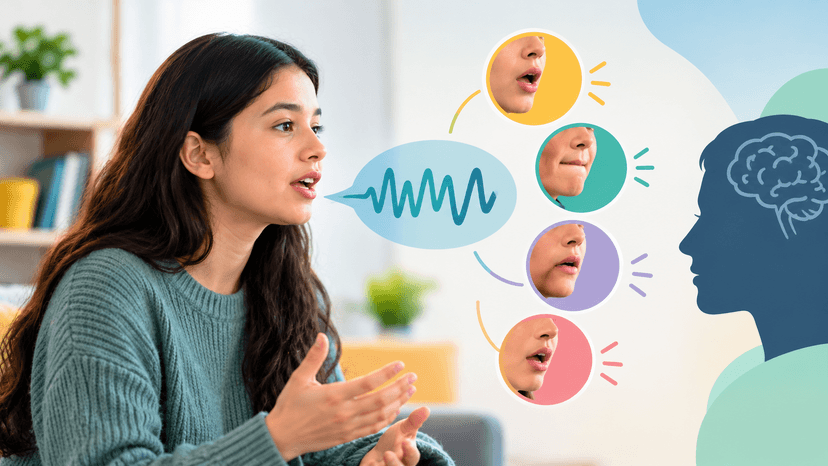
Speech Patterns in Stuttering are the repeatable ways speech gets interrupted, such as repeating a sound, stretching a syllable or freezing before a word. They aren’t random, and they say nothing bad about who you are. They’re learned habits sitting on top of a neurological tendency, which is good news,...
By Team WSSA (October 28, 2026)


