



Speech Therapy
Stuttering and dyslexia are two separate conditions, one shaping how speech flows and the other shaping how we read and spell, yet they can show up in the same person, and both can improve with the right support. If you’ve noticed both in your child or in yourself, you’re not...
By Team WSSA (October 16, 2026)
neuroscience method, Online Stop Stuttering Therapy, Speech Therapy
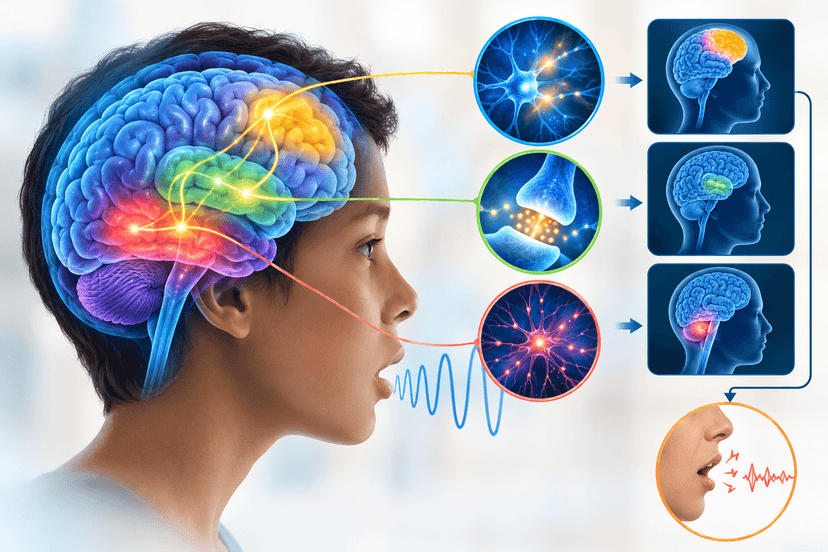
If you’ve ever felt a word jam halfway out of your mouth, you’ve probably wondered what is going wrong up there. So, what happens in the brain when you stutter? It isn’t a lack of intelligence, a lack of confidence, or “just nerves.” The brain regions that plan, time and...
By Team WSSA (October 16, 2026)

neuroscience method, Online Stop Stuttering Therapy, Speech Therapy
If your child isn’t speaking yet, you have probably heard well-meaning advice from every direction. Wait and see. Try this app. Push harder. Back off. When you’re searching for how to help a nonverbal autistic child, what you actually want is a calm, clear place to start, and that is...
By Team WSSA (October 16, 2026)

neuroscience method, Online Stop Stuttering Therapy, Speech Therapy
If you or someone you love has Parkinson’s, you’ve probably heard two names come up in the speech clinic: LSVT LOUD and SPEAK OUT. Both promise a stronger, clearer voice, and on paper they look almost identical. So the question of LSVT LOUD vs SPEAK OUT gets real, fast. Which...
By Team WSSA (October 16, 2026)

neuroscience method
Losing train of thought means a thought disappears from your mind partway through a sentence or conversation. It usually happens when working memory is overloaded, when you are distracted, or when stress and anxiety take over the brain. It is common and normally harmless. You can reduce it with slower...
By Team WSSA (October 15, 2026)
Speech Therapy
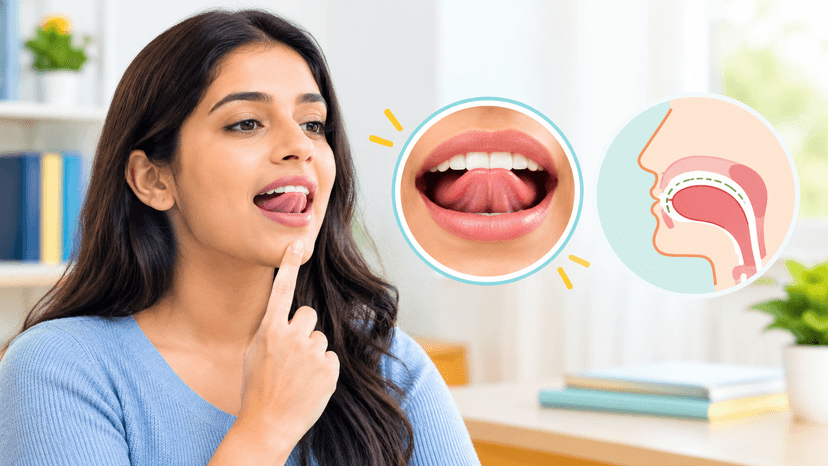
Tongue posture is the way your tongue rests inside your mouth when you aren't talking, chewing, or swallowing, and the ideal position has the whole tongue lightly lifted against the roof of your mouth, with the tip just behind your upper front teeth and your lips gently closed. That simple...
By Team WSSA (October 15, 2026)


