



speech development, Speech Therapy, Online Stop Stuttering Therapy
That trembling catch in your breath right before you try to speak. It shows up without warning, usually when you want to say something important. Many people who stutter know it well. Shuddery breathing feels like your chest can't settle, like each inhale fractures into smaller pieces before you even...
By Team WSSA (October 1, 2026)

Speech Therapy, Online Stop Stuttering Therapy, neuroscience method, Stuttering Treatment
Everybody stumbles when they talk. You lose your train of thought, say “um” three times in a row, or start a sentence, hate it, and start over. That's normal, and most listeners never notice.But sometimes the stumbles feel different. They repeat, they stick, or they come with a tight jaw...
By Team WSSA (October 1, 2026)

speech development, Speech Therapy, Online Stop Stuttering Therapy
? What Neuroscience Reveals About the Brain Behind SpeechIf you or someone you love stutters, you have probably noticed moments when words slip, thoughts pause, and conversations feel heavier than they should. One question that often comes up is a surprising one: does stuttering cause memory loss? It sounds unusual...
By Team WSSA (October 1, 2026)

Speech Therapy
Neuroplasticity exercises are specific, intentional activities that teach your brain to build new pathways, especially the ones involved in how you speak, how you react under pressure, and how your body handles communication overall. If you have spent any amount of time searching for answers about how to stop stuttering,...
By Team WSSA (September 30, 2026)

Speech Therapy
How to speak clearly comes down to three things: a steady pace, relaxed breathing, and finishing each word instead of rushing through it. Most people who struggle with clarity are not doing anything wrong. They are just talking faster than their mouth can keep up with. Start by slowing down...
By Team WSSA (September 30, 2026)
Stuttering Treatment, Online Stop Stuttering Therapy, Speech Therapy, speech development
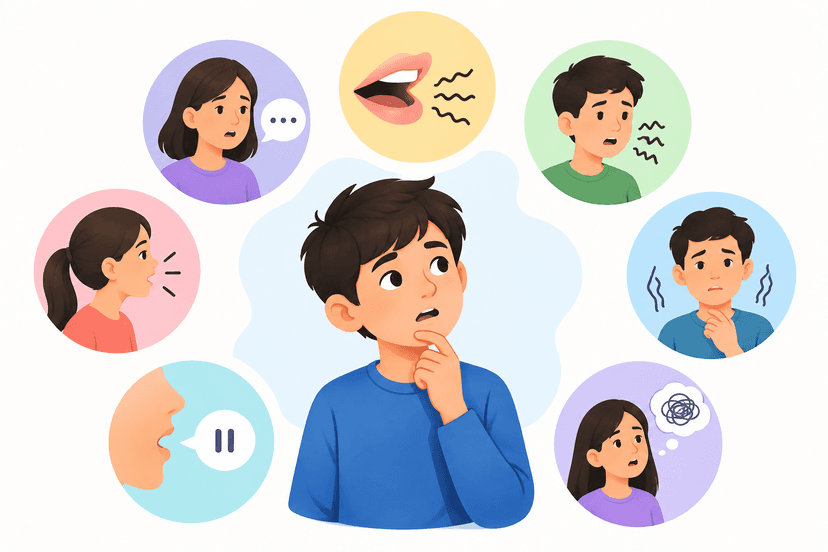
Speech feels effortless for most people until it does not. A word gets stuck. A sound repeats. A silent block freezes the mouth open with nothing coming out. If you have ever lived through moments like these, you already know the different types of dysfluencies from the inside, even if...
By Team WSSA (September 30, 2026)


