


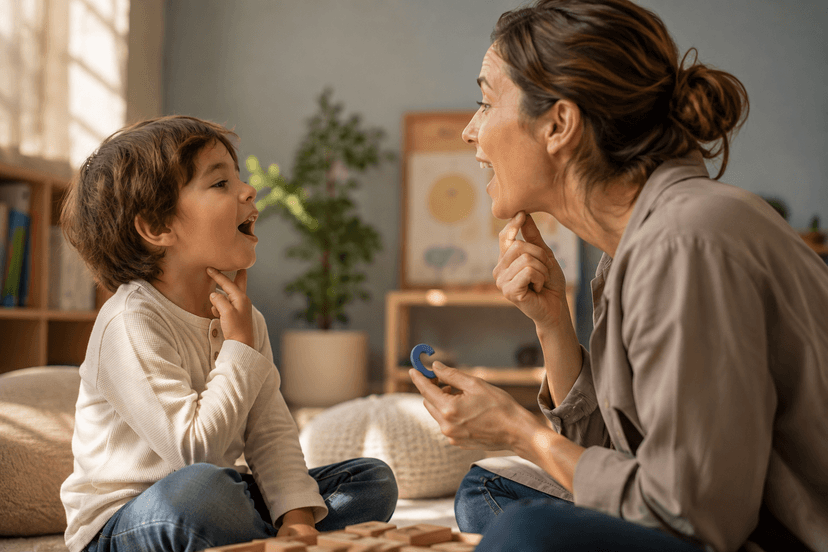
Speech milestones, Online Stop Stuttering Therapy, neuroscience method
Speech milestones are the age-linked checkpoints that show how a child is learning to hear sounds, form words, and eventually hold a full conversation. They start with cooing at a few weeks old, move through babbling and first words, and stretch all the way to clear four and five-word sentences...
By Team WSSA (September 22, 2026)

Neurofeedback therapy, neuroscience method, Speech Therapy
What is neurofeedback therapy? It is a non-invasive brain training method that uses real-time readings of your brainwave activity to help you learn how to regulate your own mental states. Small sensors placed on your scalp pick up the electrical patterns in your brain, and those patterns are shown back...
By Team WSSA (September 22, 2026)

speech development, Speech Therapy
Child speech development is the natural, step-by-step process through which a child learns to understand language and use their voice to communicate with the world around them. It starts with simple coos and babbles in the first few months of life and gradually builds into full sentences, clear pronunciation, and...
By Team WSSA (September 21, 2026)
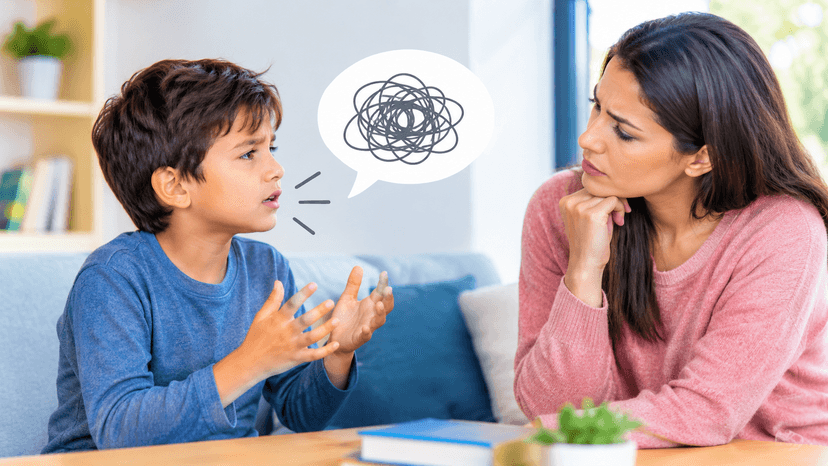
Speech Disfluencies, speech development
Communication problems are difficulties with expressing your thoughts, understanding others, or speaking smoothly, and they can show up at home, at work, or anywhere in between. They range from speech challenges like stuttering and unclear articulation to listening gaps, fear of speaking up, and going blank under pressure. In most...
By Team WSSA (September 21, 2026)
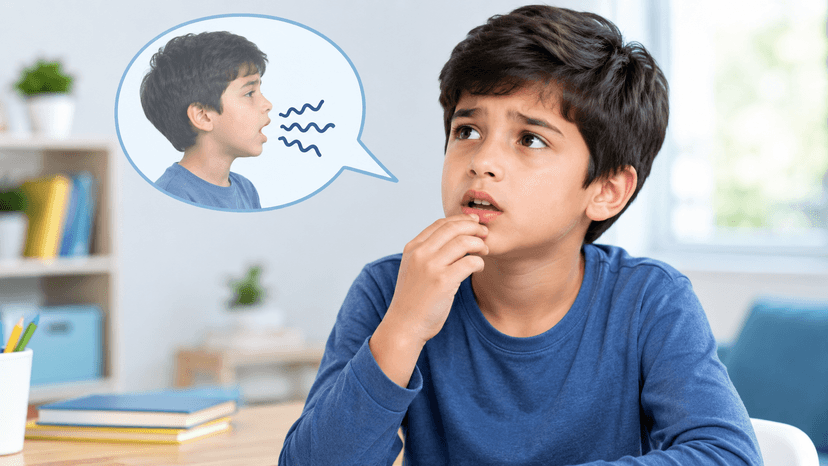
Stuttering Treatment, speech development
Severe stammer, also called severe stuttering, is stuttering that happens often and gets in the way of everyday talking, like ordering food, taking a call, or saying your own name. It usually shows up as long blocks, repeated sounds and visible tension, not just the odd stumble over a word....
By Team WSSA (September 21, 2026)
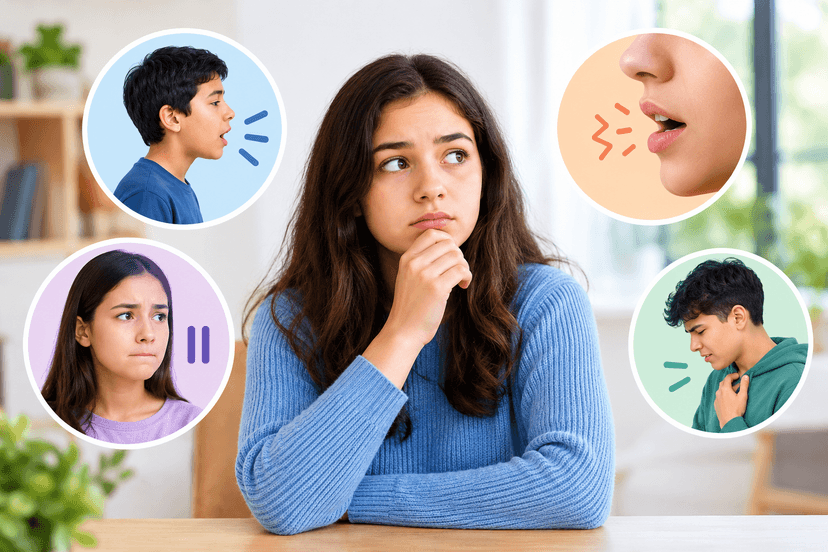
Stuttering Treatment, Speech Therapy
Core behaviors of stuttering are the parts of speech you can actually hear or see: repeating a sound, stretching a sound out, or getting stuck in a silent block where nothing comes out. They happen on their own, without the person choosing them, and that is what separates them from...
By Team WSSA (September 21, 2026)


