


Stuttering, neuroscience method, Online Stop Stuttering Therapy, Speech Therapy
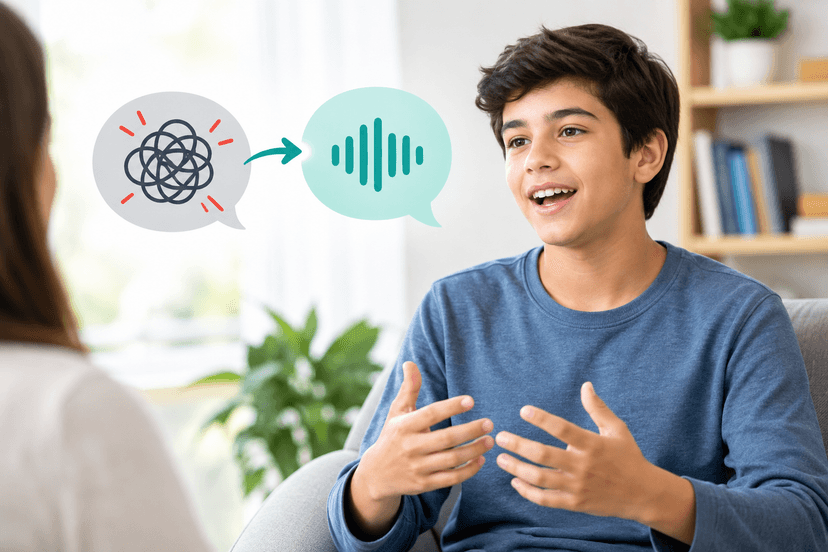
If your throat has ever locked up on the first word of a sentence, you already know the moment easy onsets are made for. Easy onsets stuttering practice is a simple idea. Instead of hitting a word with a hard burst of voice, you let the sound fade in gently,...
By Team WSSA (September 9, 2026)

Stuttering, Stuttering Treatment
Is stuttering contagious? No, stuttering is not contagious, and there is no medical, neurological, or behavioral evidence that suggests otherwise. You cannot catch it from a sibling, a classmate, a co-worker, a partner, or a close friend. Stuttering is a speech pattern shaped by genetics, brain wiring, and early speech...
By Team WSSA (September 9, 2026)

Stuttering, Stuttering Treatment
ASD and stuttering often appear together in the same child or adult, and yes, this overlap is more common than many families realise at first. If you are wondering why the two show up side by side, the short answer is that both autism spectrum disorder and stuttering involve how...
By Team WSSA (September 9, 2026)
Stuttering, Stuttering Treatment, neuroscience method, Online Stop Stuttering Therapy, Speech Therapy
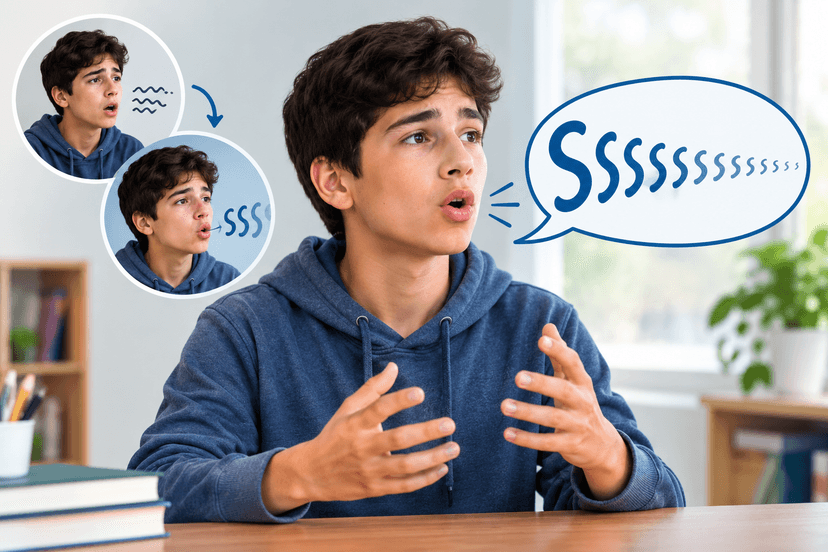
You’re mid-sentence, you reach for a word, and the first sound just won’t let go. “Sssssoup.” “Mmmmy.” Your voice keeps running, but the next sound can’t start. That’s a prolongation, and if it happens to you, you’re far from alone.Prolongations in stuttering are involuntary stretches of a sound where your...
By Team WSSA (September 9, 2026)

Speech Therapy, Online Stop Stuttering Therapy, neuroscience method, Stuttering Treatment, Stuttering
If you’ve ever tried to force yourself not to stutter and felt the block get worse, you already know the loop Viktor Frankl described. The harder you try to hide a block, the more your brain treats speaking like a threat, and the tighter the next word locks up.His answer...
By Team WSSA (September 9, 2026)

Stuttering
Secondary behaviors of stuttering are the physical, verbal, and mental habits a person develops in response to stuttering. They are not the stutter itself. Things like blinking hard when a word gets stuck, tapping a foot to push through a block, avoiding certain words, or swapping “hello” for “hey” because...
By Team WSSA (September 8, 2026)


