


neuroscience method, Online Stop Stuttering Therapy, Speech Therapy
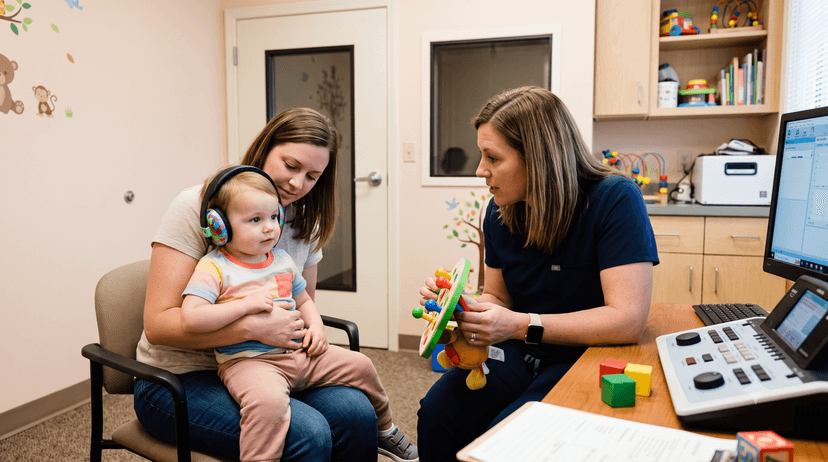
Your toddler is almost two. He points, he grunts, he drags you by the hand to the snack cupboard, but actual words? Maybe five or six, and half of them only you can decode. A relative tells you "Einstein didn't talk until he was four," you smile politely, and your...
By Team WSSA (October 13, 2026)
neuroscience method, Online Stop Stuttering Therapy, Speech Therapy
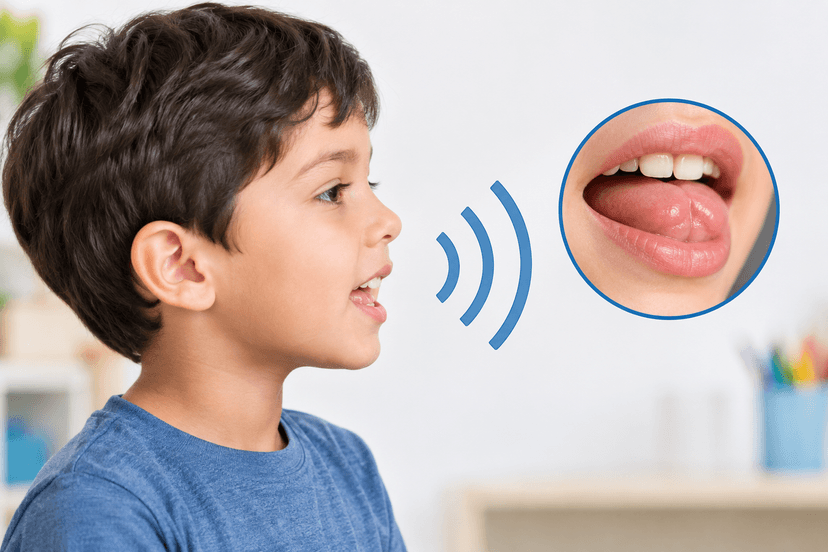
You’ve probably heard someone say “thith” when they meant “this,” or “shoop” when they meant “soup.” That’s a lisp in speech: the “s” and “z” sounds come out distorted instead of crisp. It’s one of the most recognizable speech sound differences, and one of the most misunderstood.Most people write it...
By Team WSSA (October 13, 2026)

neuroscience method, Online Stop Stuttering Therapy, Speech Therapy
If you have ever typed “speech sound development chart” into Google at 11 p.m. because your toddler still says “wabbit” for rabbit, you are in good company. It is one of the most common questions parents and teachers ask. Everyone wants to know the same thing: is this normal, or...
By Team WSSA (October 13, 2026)

neuroscience method
Key takeaway: The physiological sigh is two inhales through the nose followed by one long exhale through the mouth. It can lower physical alarm in under 30 seconds, which makes it a useful reset before a hard speaking moment. It does not remove stuttering, but it helps create the calm...
By Team WSSA (October 12, 2026)
neuroscience method
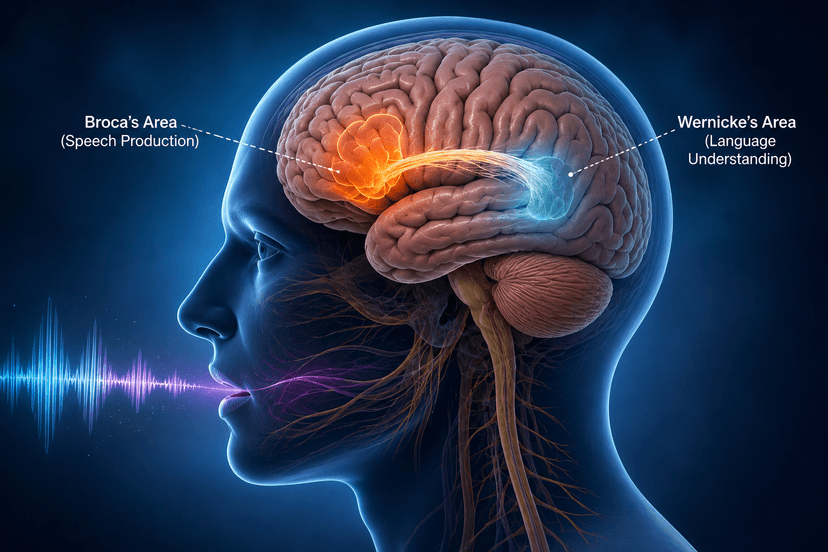
What part of the brain controls speech? No single part does. The part of brain responsible for speech is reallly a network, mainly Broca’s area (planning), Wernicke’s area (understanding), the motor cortex (movement), the cerebellum (coordination), and the basal ganglia (timing). In most people, the left hemisphere leads. When the...
By Team WSSA (October 12, 2026)

Speech Therapy
How to let go of shame when speaking begins with one honest idea: the shame is a learned reaction, not a truth about you. You can unlearn it by pairing small, safe speaking moments with kinder self-talk, and by getting guidance from people who have actually walked this road. If...
By Team WSSA (October 12, 2026)


