


Speech Therapy
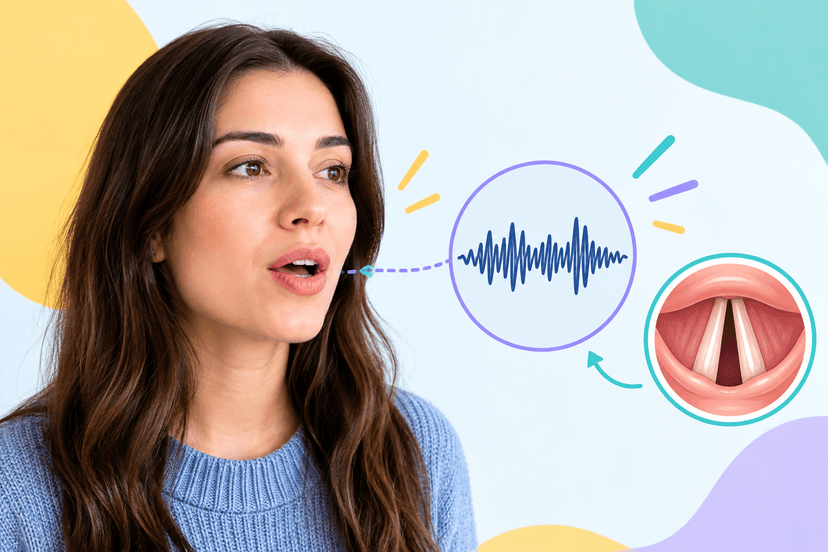
Vocal fry is the low, creaky sound your voice makes when the vocal folds vibrate slowly and loosely, usually at the end of a sentence or at the bottom of your pitch range. You may also hear it called glottal fry or voice fry, and a glottal fry voice is...
By Team WSSA (October 12, 2026)

Speech Therapy
How to get a deeper voice comes down to three simple things: a relaxed throat, low belly breaths, and speaking from the bottom of your natural pitch range. You can’t change the size of your vocal folds, but you can stop pushing your voice upward with tension and shallow breathing....
By Team WSSA (October 12, 2026)
neuroscience method, Online Stop Stuttering Therapy, Speech Therapy
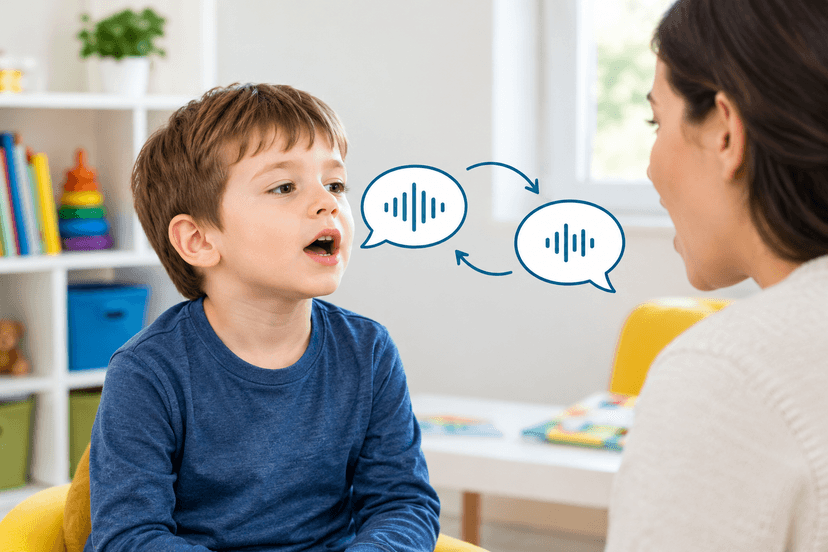
Your toddler hears “Do you want juice?” and answers “Want juice?” in the exact same sing-song tone. Or a teenager drops a full line from a cartoon at the perfect moment. If you’ve seen something like that, you’ve probably wondered what echolalia is, and whether it’s something to worry about.Here’s...
By Team WSSA (October 12, 2026)

neuroscience method, Online Stop Stuttering Therapy, Speech Therapy
If you’ve ever watched a nine-month-old bang their tiny fingertips together and stare at you like they’ve just said something brilliant, you’ve already seen the idea behind baby sign language. So, what is baby sign language? In simple terms, it’s a set of easy hand gestures, usually borrowed from a...
By Team WSSA (October 12, 2026)
neuroscience method, Online Stop Stuttering Therapy, Speech Therapy
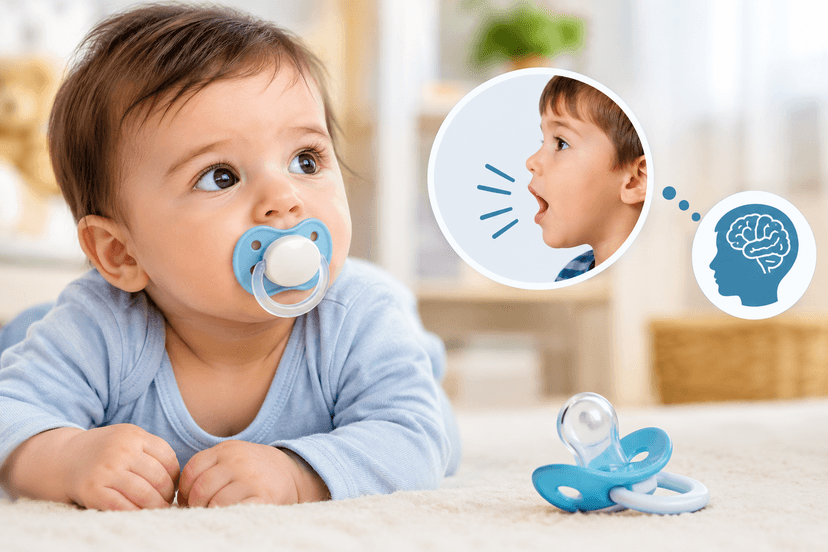
If you’re a parent, you’ve probably had this moment. Your toddler is happily sucking on a pacifier, and someone (a relative, a stranger at the park, a late-night Google search) makes you wonder: am I hurting my child’s speech?So, do pacifiers cause speech delays? The honest answer is “not on...
By Team WSSA (October 12, 2026)

neuroscience method
How to relieve jaw tension starts with three steps: break the clench with slow, easy movement, quiet the alarm that sets it off, and train your brain to stop reaching for the habit. The jaw locks up because your nervous system believes it’s guarding you. Show it enough safe moments,...
By Team WSSA (October 9, 2026)


